By letting insects do what they do best, Nasekomo keeps nutrients moving, waste working, and protein production within planetary limits.
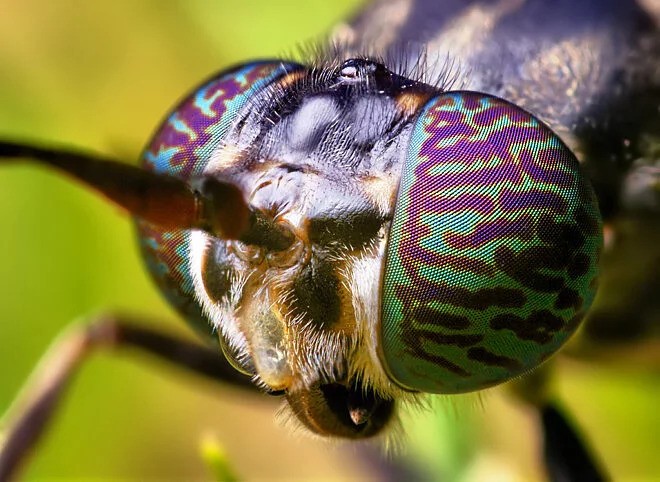
The Black Soldier Fly (BSF) is a small insect harmless to humans and the environment, whose real superpower lies in its larvae. In just a few days, BSF larvae can consume large quantities of food and agricultural waste and transform them into valuable new resources.
The challenge: Producing enough food without damaging the planet
According to the Food and Agriculture Organization of the United Nations (FAO), global food production will need to increase by almost 70% by 2050. At the same time, current livestock systems already account for around 14.5% of global greenhouse gas emissions and use approximately 83% of the world’s farmland, while also contributing to deforestation, overfishing, and increasingly fragile supply chain.
Nasekomo addresses these interconnected challenges through advanced Black Soldier Fly technology. The company transforms agricultural and food waste into alternative feed ingredients, insect-derived oils, and organic fertilisers, all with a significantly lower environmental footprint than conventional feed production systems.
One of Europe’s leading insect biotechnology companies
What started as an ambitious idea has grown into an internationally recognised business, attracting major investment, industry partnerships, and global attention. Between 2025 and 2026, Nasekomo collaborated with companies such as Siemens, REINARTZ, and Phileo by Lesaffre to scale its technology and expand its impact.
In 2026, the company was recognised among the winners of Japan’s Kumihimo Tech Camp innovation programme, further strengthening its international profile. By the same year, Nasekomo had raised more than $28 million and established itself as a key player in Europe’s growing circular bioeconomy.
Tiny insects. Big impact.
Studies show that Black Soldier Fly larvae can reduce organic waste volumes by 50–80%, helping decrease landfill dependency while recovering important nutrients. The environmental benefits are also substantial. BSF production generates approximately 0.017 kg CO₂-eq per kg of protein, compared with 57–500 kg CO₂-eq per kg of protein produced through conventional livestock systems.
In addition, life-cycle assessments show that BSF systems can achieve up to 90% lower greenhouse gas emissions than conventional waste-treatment methods, while requiring significantly less land and water than traditional protein production systems.
Beyond environmental performance, the sector contributes to the development of the circular bioeconomy by supporting industrial innovation, sustainable waste management, green job creation, and alternative feed-production systems.
Wings to fly
Nasekomo participated in the EIT Food RisingFoodStars programme, gaining access to investment-readiness support, sector expertise, and a strong network of partners working across alternative proteins and circular food systems.
EIT Food’s support helped strengthen the company’s growth strategy, connect the team with relevant stakeholders, and position its technology within Europe’s broader efforts to diversify protein sources and reduce environmental impact.
If I can send one message to our consumer, it's time to open our mind about insects. I think history shows that we have a real misunderstanding of the potential of insects for humans future and the opportunity they bring to us in solving some of the biggest challenges that are facing humanity. They can produce a huge amount of premium biomass for us to eat or for our animals to eat. And secondly, they can solve the waste generation that currently is a significant issue in our food chain production.
Marc Bolard, Co-Founder of Nasekomo
Learnings from the insect that turns waste into opportunity
- Waste can become a resource: Food and agricultural by-products do not have to be discarded. With the right systems in place, they can be transformed into valuable new ingredients and nutrients.
- Nature already has efficient solutions: Black Soldier Fly larvae naturally break down organic matter quickly and efficiently.
- Producing protein does not have to come at the planet’s expense: Compared with conventional livestock production, insect-based systems require significantly less land and water while generating far lower greenhouse gas emissions.
- Circular food systems need collaboration to scale: Investment, technology, regulation, and industry partnerships all play an important role in helping circular innovations move from niche solutions to large-scale impact.
Building the future across Europe
With new facilities planned and investment secured, Nasekomo is preparing to scale its insect-based bioconversion technology across Europe. By expanding its model, the company could help reduce dependence on imported feed ingredients, lower food-system waste, and decrease the environmental footprint of animal production. Unlocking this next phase of impact will require continued investment, supportive regulation, industrial-scale deployment, and strong partnerships across the agrifood ecosystem.


 Share this page


