Where Europe’s Climate Transition Is Taking Shape: Lessons From 52 Cities
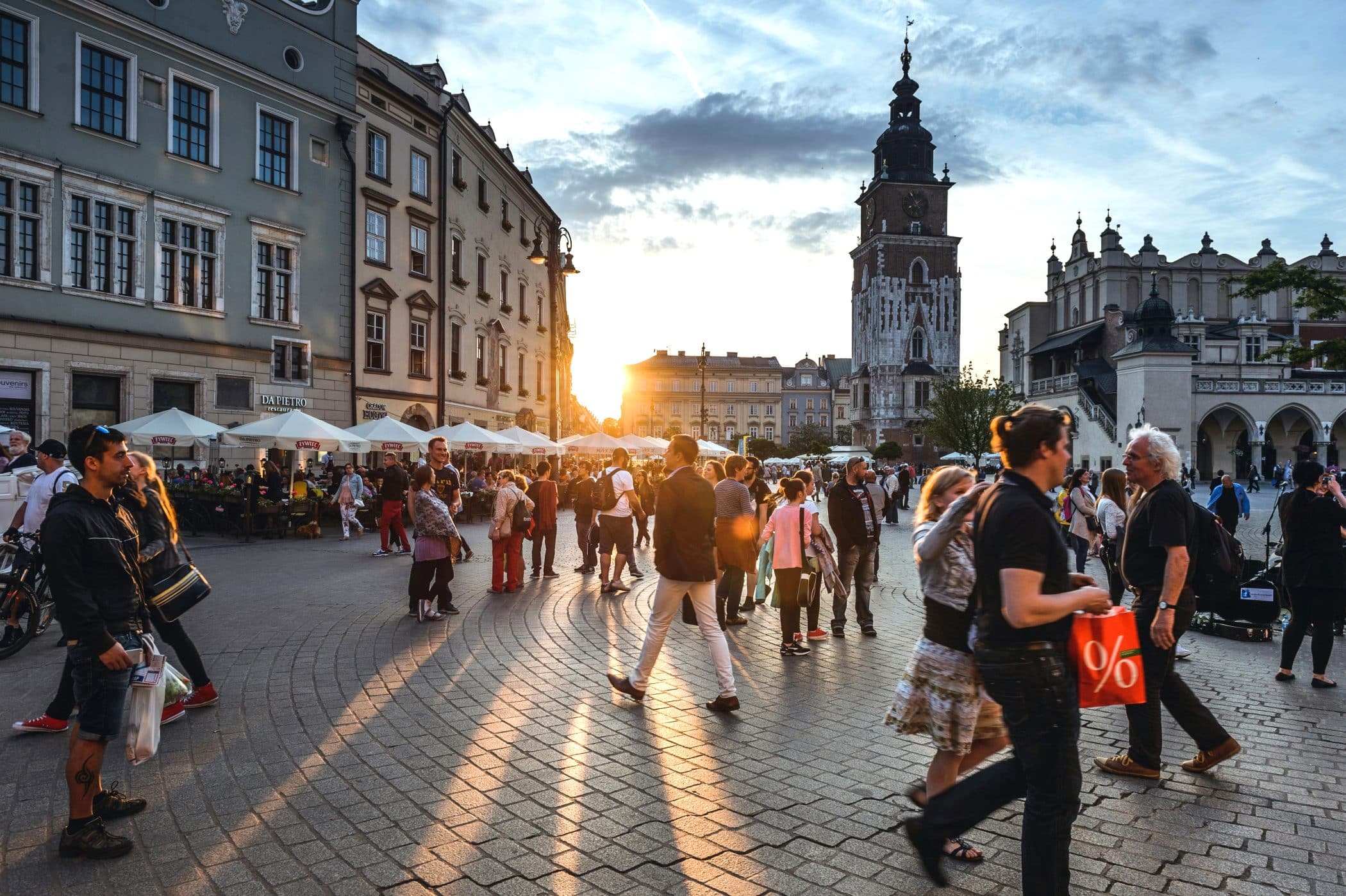
Across 52 European cities, local governments, communities, and businesses tested new ways to cut emissions and finance climate action.
Their collective effort as part of the Pilot Cities Programme under NetZeroCities, led by Climate KIC, has produced tangible results. More than 184 000 citizens took part in pilot activities. Cities trained over 1 400 public officers, created 256 new jobs, launched 40 follow-up projects and recorded an estimated reduction potential of more than 418 000 tonnes of CO₂ with total GHG emissions of 8.67 million addressed in tCO₂eq/year. Energy use fell across multiple pilot activities, adding up to 864 GWh per year in potential savings. These figures only scratch the surface, yet they reflect a strong signal: local climate action is accelerating, and European cities are starting to feel the shift.
Key Thematic Areas And Pilot Actions
Pilot cities tested solutions shaped by local realities, revealing common approaches that drive momentum for urban transformation:
- City-led behaviour change: in Lahti, small workplace-driven shifts, such as employees choosing bikes over cars, reduced CO₂ emissions by 8 000 tonnes in two years. Clarified governance and engaged private organisations amplified these internal changes into broader systemic impact.
- Engaging citizens at scale: cities like Cluj-Napoca and Guimarães mobilised tens of thousands of residents through schools, community events, and participatory processes, turning citizens, especially youth, into climate ambassadors. This engagement influenced sustainable behaviours at home and culturally grounded energy solutions.
- Transforming buildings and neighbourhoods: Malmö’s coordinated energy planning created the potential to save over 108 million kWh annually, while Galway’s Warm Home Hub guided hundreds of households through retrofits and local skills development, demonstrating how structured support and resident engagement enable scalable, energy-efficient neighbourhoods.
Governance As A Catalyst
Governance emerged as a hidden driver of climate transformation. Pilots in Guimarães, Nantes, Uppsala, and others tested new coordination, co-creation, and accountability approaches, fostering open, collaborative, and data-driven decision-making. Cities adapted structures, removed bottlenecks, and refined Climate City Contracts, while also advancing work on finance, energy transition, circular construction, behaviour change, and just transition. Strategic use of data, learning from failures, and alignment with broader climate goals turned pilot deliverables into catalysts for engagement, governance improvements, partnerships, and embedding sustainable practices into daily operations.
From Pilots To Long-term Change
The key outcome goes beyond technology: climate neutrality requires collaboration, transparent governance, and sustained engagement. Cities like Nantes, Guimarães, Cluj-Napoca, and Lahti are embedding pilot insights into long-term planning, ensuring the transition continues beyond initial funding and becomes part of institutional practice. Cohort 1 cities deepened understanding of local systems, strengthened collaboration, and identified scalable solutions. Their work shows that climate neutrality is achieved step by step, street by street, through coordinated action by residents, public servants, businesses, and city institutions, with future cohorts continuing the transition.
A Collective Shift Across Europe
Across Europe, Pilot Cities show that the deep transition is already underway. They demonstrate that climate neutrality can be built through decisions made by residents, public servants, companies, and other city actors, supported by long-term planning and partnerships. The next phase will bring its own challenges, but cities now have a stronger sense of direction, deeper partnerships, and evidence that a different future is achievable.
Across Europe, these Pilot Cities show that the deep transition is already underway. They demonstrate how climate neutrality can be built street by street, neighbourhood by neighbourhood, and through decisions made by residents, public servants, companies and other city actors. The next phase will bring its own challenges, but cities now have a stronger sense of direction, deeper partnerships and the evidence that a different future is not just necessary but achievable.
Joanna Kiernicka-Allavena, Deputy Head of Cities Team
As part of the Pilot Cities Programme under NetZeroCities, participating cities received funding and expertise to test and implement described systemic approaches to rapid decarbonisation. Meanwhile, two more cohorts of cities are developing their solutions and taking similar steps to achieve climate neutrality through the programme. Stay tuned for more impact from cities in action!


 Share this page


