Two EIT Community New European Bauhaus projects reach NEB Prize finals
 EIT
EITTwo projects supported by the EIT Community New European Bauhaus (NEB) have been named finalists in the New European Bauhaus Prizes 2026. Social Impact Generator Hub, an innovation hub in Nicosia’s UN buffer zone, and FURKAN Gdynia, a food-system initiative in Poland, are both competing in the Champions strand.
The two projects show how local communities can put the New European Bauhaus values of sustainability, inclusion and quality of experience into practice. Support from EIT Community NEB has helped them develop their ideas, connect with partners and turn them into initiatives with tangible local impact.
Social Impact Generator Hub: bringing communities together through innovation
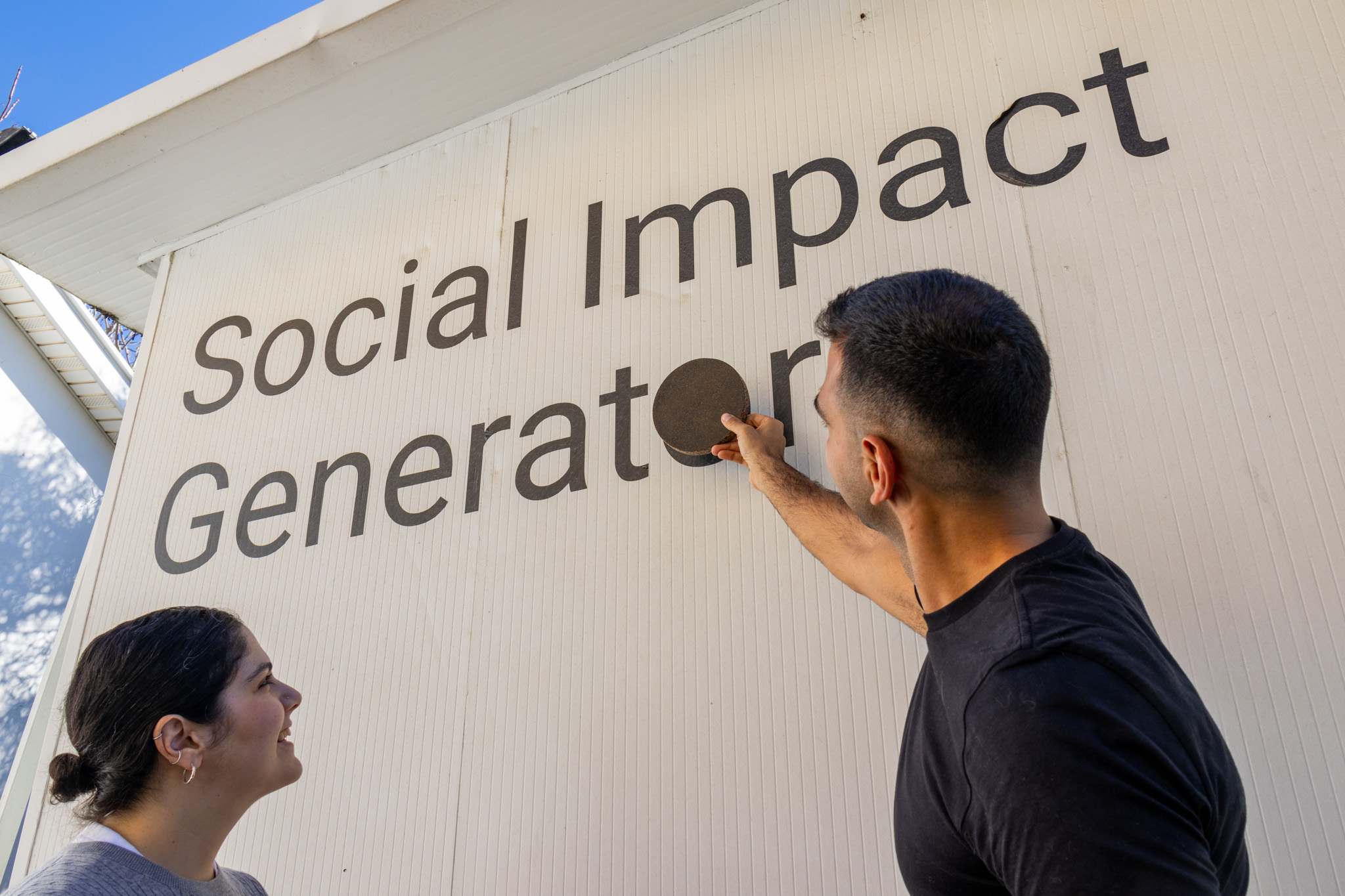
Social Impact Generator Hub transformed a former United Nations peacekeeping container in Nicosia’s buffer zone into a cross-community innovation hub.
Run by Social Impact Generator, also known as SocialTech Lab, the hub brings together young people and entrepreneurs from communities affected by conflict and division. Through accelerators, hackathons and mentoring programmes, participants work together to develop sustainable solutions to local challenges.
The project gives an existing structure a new purpose, creates a welcoming space for collaboration and provides free programmes designed to bring communities together. For 60% of participants, the programme provided their first opportunity to meet someone from the other community.
Since its launch, the hub has delivered more than 150 programmes involving over 7 000 community members and supported more than 500 startup teams. It has provided over €100,000 in direct funding, while participating ventures have gone on to raise more than €1.1 million and create over 50 jobs.
Projects emerging from the hub include Pit to Table, another EIT Community NEB-supported project, which turns discarded olive pits into tabletops; NEEMA, which produces vegan leather from prickly pear cactus; DERGON, which creates 3D-printed furniture from recycled plastic; and the Cyprus Food Hub, which addresses food waste and food insecurity. The hub’s model has since been replicated in other regions.
EIT Community NEB also ran an Ignite NEB Hackathon at the hub, bringing together 52 participants in 14 multidisciplinary teams to tackle sustainable urban development challenges. The winning team later received €20 000 in seed funding through the Grow NEB incubation programme.
FURKAN Gdynia: strengthening local food systems
FURKAN Gdynia – short for Food Urban–Rural Knowledge Ambassadors Network – connects food producers, residents, institutions and local ambassadors in Gdynia, Poland, and neighbouring municipalities.
Led by Małgorzata Piskórz Research / Busola Trends in partnership with the Municipality of Gdynia, the project explores how local food systems can become more sustainable and resilient. Its work covers issues including soil regeneration, water conservation, reduced chemical use and plant-based food production, while taking into account what is economically viable for small producers.
The project also brings sustainability into everyday community spaces. Educational displays were co-designed with gardeners, educators and designers and incorporate traditional Kashubian patterns and local stories. More than a quarter of participants were aged 65 or over, while intergenerational workshops enabled older and younger participants to share knowledge about local food traditions.
FURKAN Gdynia developed from an approach first tested in Ostróda through the EIT Community Connect NEB programme. The project surveyed consumers, producers and experts to identify local food-system challenges and worked with communities to develop practical responses.
It trained 24 Food Urban–Rural Ambassadors and engaged 475 people, as well as 23 family allotment gardens. The project developed educational materials, illustrated learning trails, an interactive exhibition prototype and an online toolkit that other cities can use to adapt the approach. Two other Polish regional capitals have already expressed interest in applying the model.
EIT Community NEB supported FURKAN Gdynia through its Enhance NEB 2025 call. The support helped fund the project’s research, education and community engagement and connected it with a wider European network.
About the New European Bauhaus Prizes
The New European Bauhaus Prizes recognise projects that put sustainability, inclusion and quality of experience into practice. Now in its fifth edition, the competition has attracted more than 5 000 applications and awarded €1.54 million to 72 winners across Europe.
The prizes include two strands: Champions, for existing and completed projects with demonstrated results, and Rising Stars, for concepts and prototypes from applicants aged 30 or under. Social Impact Generator Hub and FURKAN Gdynia are both finalists in the Champions strand.
The winners of the 2026 New European Bauhaus Prizes will be announced at the European Commission’s NEB Prizes 2026 Ceremony on 15 October. Whatever the outcome, both projects demonstrate how local ideas can grow through collaboration and targeted support – bringing the New European Bauhaus values of sustainability, inclusion and quality of experience to life in communities.

 Share this page


